Unattended Death Cleanup
Cleanup when a death went unnoticed for days, with decomposition and odor control.
See unattended death cleanupRemove decomposition odor at the source in a home, apartment or rental in New Orleans East. Cleanup can include contaminated material removal, disinfection, air filtration and careful sorting of belongings.
Death odor removal means cleaning decomposition residue, taking out affected materials and treating lingering smell in the air rather than hiding it with fragrance. This cleanup addresses the underlying source along with the air.
The odor after a death comes from the decomposition process. It can move beyond the room where the person was found and settle in carpet, upholstery, wall cavities and the heating or cooling system. Deodorizer alone cannot solve that problem. The source must be found and removed first.
An official property release must come before cleanup. It may be issued by a medical examiner or coroner, another authority or law enforcement. Cleanup crews examine the affected space and nearby areas. They follow contamination below surfaces and sort clean possessions from impacted ones. Materials that are porous may have to be removed if they absorbed fluids, while hard, non-porous surfaces are often suitable for cleaning and disinfection.
Once the source is gone, HEPA air filtration, hydroxyl treatment or controlled ozone treatment may be used as part of odor remediation. The building type, impacted materials and ability to leave the space empty during treatment guide the method used. Professional cleaning services should explain why the selected method is suitable for the property.
Calls are answered day and night, and crews arrive in unmarked vehicles to protect your privacy at a difficult time.
You can move forward by organizing photographs, disposal documentation and cleanup scope for a property manager, landlord or insurance company.
Rather than discarding them without telling you, crews reserve keepsakes, papers and unaffected items so you can decide.
You hear which areas need attention, which materials may stay and what may need removal before cleanup starts.
You may need death odor cleanup when decomposition fluids have reached part of the property, or when smell remains after removal of the deceased. Common examples are:
Carpet, subfloor, drywall, furniture or personal property absorbed odor and may also contain residue that cannot be seen.
A landlord or property manager needs the affected unit cleaned before repairs, painting or a future move-in.
The smell entered shared ventilation, a nearby unit or a hallway, requiring careful tracing that avoids resident exposure.
Belongings need to be sorted carefully while affected contents are separated from items that can be kept.
You can protect yourself and the property by limiting entry and waiting for the official release. Share these details with cleanup technicians before death odor remediation begins:
Call (888) 440-9227Prices listed for death odor removal by BioCleaners Directory are $6,000 to $15,000 when an extreme case calls for structural work and $3,500 to $6,000 for severe odor. Moderate cases range from $1,500 to $3,500 in cost, while mild odor ranges from $500 to $1,500 in cost. Cost varies with the source, affected material and the extent of contamination travel.
These ranges come from published national cost guides, not from a site visit. You learn what your property will cost after the on-site assessment and before any work begins.
Ask about cost: (888) 440-9227Homeowners, renters or landlord insurance may cover death odor cleanup when the policy covers the event, but coverage, deductibles and exclusions vary by policy. Property owners should report the loss before repairs begin when possible.
Homeowners or renters insurance is usually the first place to ask about cleanup costs. After a death the estate often pays, and in a rental the owner usually arranges the cleanup.
For rented units, the landlord or property manager commonly coordinates cleanup of the structure. Responsibility for personal belongings may be treated separately.
Tell the insurer about the loss without unnecessary delay. Your policy may address biohazard remediation, odor control, damaged construction material removal and repair work, so ask about each.
Find out which cleanup plans, repair information, disposal documentation and photographs your adjuster requests. Put the receipts and claim number in one place.
Death odor removal follows a source-first remediation process. Cleaning and material removal come before air treatment, because equipment cannot correct contamination left behind in the structure. The entire process keeps clean rooms separate from the work area.
Crews examine the room, adjacent areas, floor edges, belongings and air returns to identify possible paths of residue and odor.
Clean spaces are isolated from the work zone. Air movement is controlled, and crew members use protective gear and equipment suited to the exposure.
Visible residue is removed first. Crews remove carpet, pad, upholstered furniture, mattresses, subfloor sections or drywall if cleaning cannot make them fully clean.
Crews clean the hard surfaces that remain, then apply an EPA-registered disinfectant and keep it wet for its label's full contact time.
HEPA air scrubbers filter the work area. A suitable treatment, such as hydroxyl, may target smell left behind following source removal.
Crews look for odor and residue in the affected area, including nearby registers and ventilation parts they can access, so moving air does not spread the problem.
Impacted material is labeled, sealed and removed for disposal following the rules in effect locally and statewide.
The affected space receives a follow-up inspection once treatment ends. You receive records for every step, showing what was cleaned, what was removed and what repair work remains.
Call at any time. You speak with a death odor removal specialist who outlines the process and schedules a start time with you.
Smell can indicate that the source has not been fully removed. The serious health risks come from decomposition fluids, hazardous material and contaminated contents, which may expose you through contact or spread into clean parts of the property.
Sorting affected items or going inside the room can cause family members emotional pain. To maintain distance from the work space, you can appoint a trusted person to make the decisions.
Smell may linger within ventilation components, wall voids, floor gaps and absorbent contents. If you treat only the air and leave those sources behind, odor can come back.
Applicable medical waste rules require controlled packaging for materials contaminated by bodily fluids, followed by hazardous waste disposal. Ordinary residential trash is not appropriate for them.
Can you clean it yourself? Odor intensity cannot tell you if a space is safe. Even a slight smell may originate from residue under flooring or within an absorbent object. Keep everyone out and request a professional assessment when the source cannot be identified or a death has left fluids.
Contained cleanup for death odor can take one to three days at the property. It may last longer if the smell reached multiple spaces, fluids penetrated the building structure, or flooring and wall removal is followed by separate repair work.
| Scene | Typical time on site |
|---|---|
| Mild odor that requires no structural material removal | Often one day |
| One affected room with absorbent materials removed | Often one to three days |
| Several areas or structural contamination | Several days, plus repair time |
Locating all affected materials is the first step in removing odor from decomposition. Source removal cannot be replaced with paint, fragrance or fogging. Any carpet, furniture, drywall or subfloor that absorbed fluids has to be removed or completely cleaned before treatment of the air.
HEPA air scrubbers may filter particles from the air while work is underway, and hydroxyl treatment can be suitable for odor that remains. Ozone may irritate lungs and therefore must be tightly controlled. The treatment space has to remain empty of people, plants and pets, with reentry delayed until it has been ventilated properly.
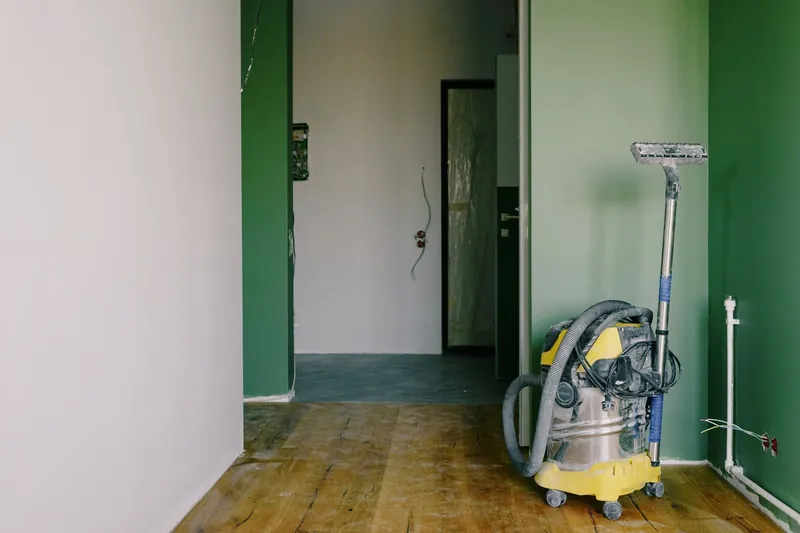
Under 29 CFR 1910.1030, OSHA's Bloodborne Pathogens Standard calls for exposure controls, protective equipment and worker training where blood might be present.
A disinfectant should be registered by the EPA for its intended use and remain visibly wet for the full contact time stated on the product label.
Louisiana treats soaked materials from a biohazard scene as potentially infectious biomedical waste. Louisiana Department of Health sanitary code rules control how it is packaged, stored and transported, so it cannot go in household trash.
Louisiana has no statewide medical examiner. Each parish has an elected coroner who investigates deaths involving violence, accidents or suspicious circumstances. Cleanup starts after police or the coroner release the scene.
The full death odor removal guide covers what is cleaned or removed, odor and air quality work, and the rules that apply in Louisiana and Orleans Parish.
Read the full death odor removal guide
Local population patterns, housing and site access may affect how containment and cleanup are planned.
At roughly 0.6 miles away, New Orleans East Hospital is the closest listed hospital for urgent care after a cut, puncture, or exposure.
Connections to Read Blvd East, Little Woods, and Huntington Park make a precise address important for coordinating cleanup access without unnecessary neighborhood attention.
The neighborhood setting makes privacy especially important when equipment must pass through sidewalks, lobbies, or other visible common areas.
During your call, ask whether cleanup is available in surrounding communities and ZIP codes.
Cleanup when a death went unnoticed for days, with decomposition and odor control.
See unattended death cleanup
Cleaning a home after someone dies, including fluids, odor and affected belongings.
See death cleanup
Cleanup clears fluids from decomposition out of floors, subfloors and furnishings.
See decomposition cleanup
Cleanup after a death that was found quickly, with care for the family home.
See attended death cleanup
An estate cleanout after someone dies covers careful sorting and safe removal of belongings.
See estate cleanout after a death
Removal and disinfection of blood, body fluids and other infectious material from any property.
See biohazard cleanup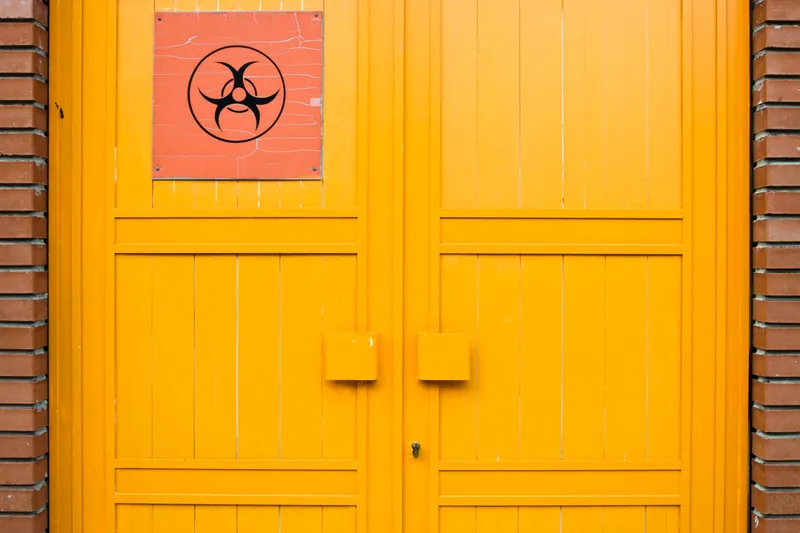
Trauma scene cleanup after accidents, injuries and violent events.
See trauma scene cleanup
Rental property biohazard cleanup covers hotels and Airbnb units as well as rentals.
See hotel, airbnb and rental biohazard cleanupThe affected materials, lease and policy decide who is responsible. A landlord or property manager commonly arranges cleanup of the unit and building materials. The family or estate may be responsible for personal belongings. Both sides should contact their insurance companies before items are removed.
Biohazard cleanup, damaged material and odor treatment may fall under a homeowners, landlord or renters policy if it covers the event. Any exclusions and your deductible continue to apply. As soon as you can, report the loss and check with the adjuster about records needed before any cleanup or repairs begin.
The reliable approach is to remove the source first. Affected subfloor, drywall, furniture, padding or carpet may need to come out. After cleaning and disinfecting remaining hard surfaces, air scrubbers and an appropriate odor treatment target lingering smell. Fragrance alone cannot remove decomposition odor.
According to the BioCleaners Directory guide, mild odor costs $500 to $1,500, moderate odor costs $1,500 to $3,500, severe odor costs $3,500 to $6,000, and extreme odor involving structural work costs $6,000 to $15,000. The affected area and material removal determine where a job falls.
Before entry, make sure authorities release the property and everyone remains outside the affected area. With containment in place, crews discard non-disinfectable materials, remove decomposition residue, clean surfaces closely, complete medical waste disposal and treat the air. You are not required to go inside or deal with affected belongings on your own.
Remaining odor may respond to ozone following material removal, but ozone does not clean up decomposition fluids or make surfaces with contamination safe. Ozone may irritate lung tissue. The controlled treatment area should remain empty and be ventilated before any person or pet returns.
You can request respectful, discreet death odor removal 24 hours a day, and crews use unmarked vehicles.